






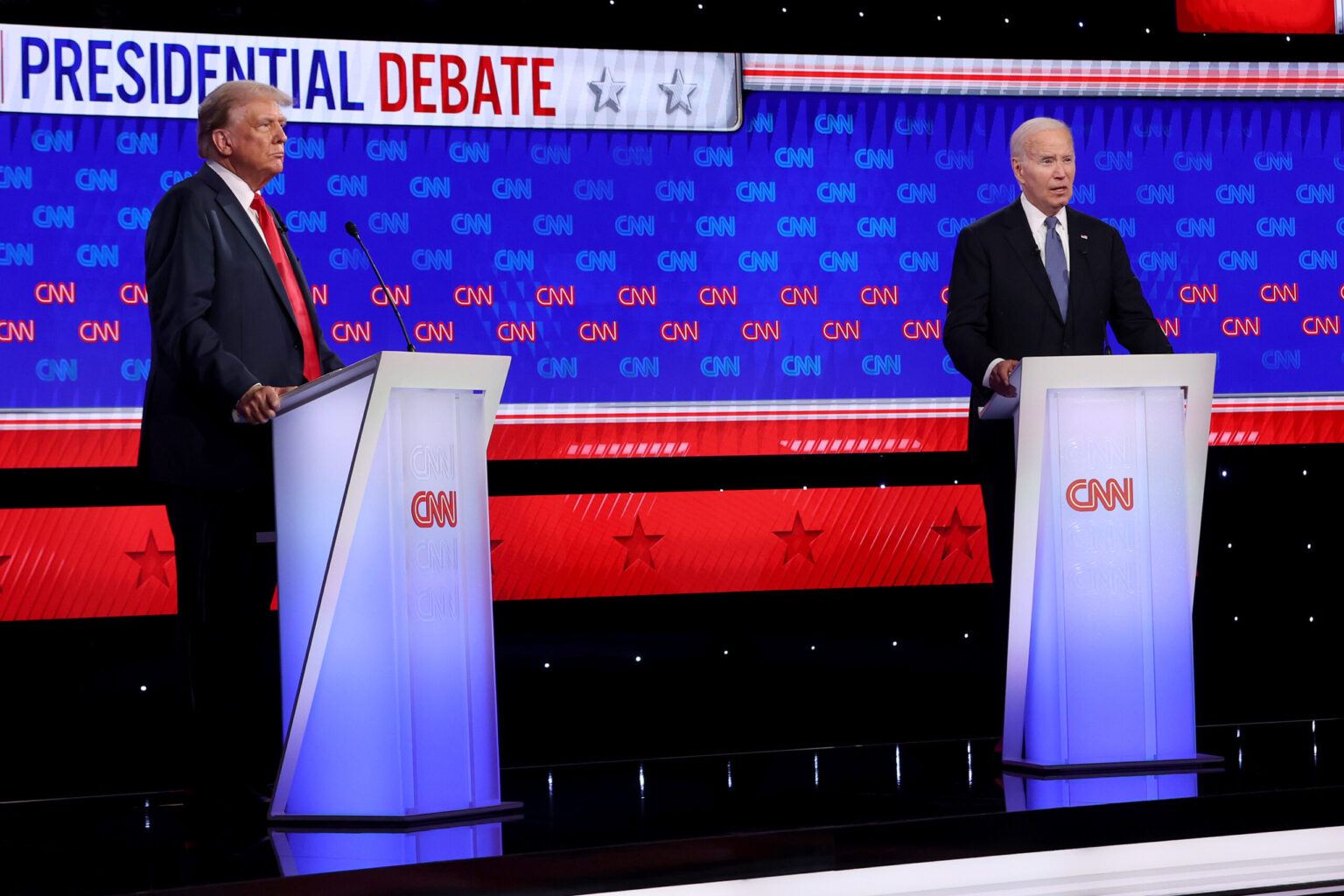
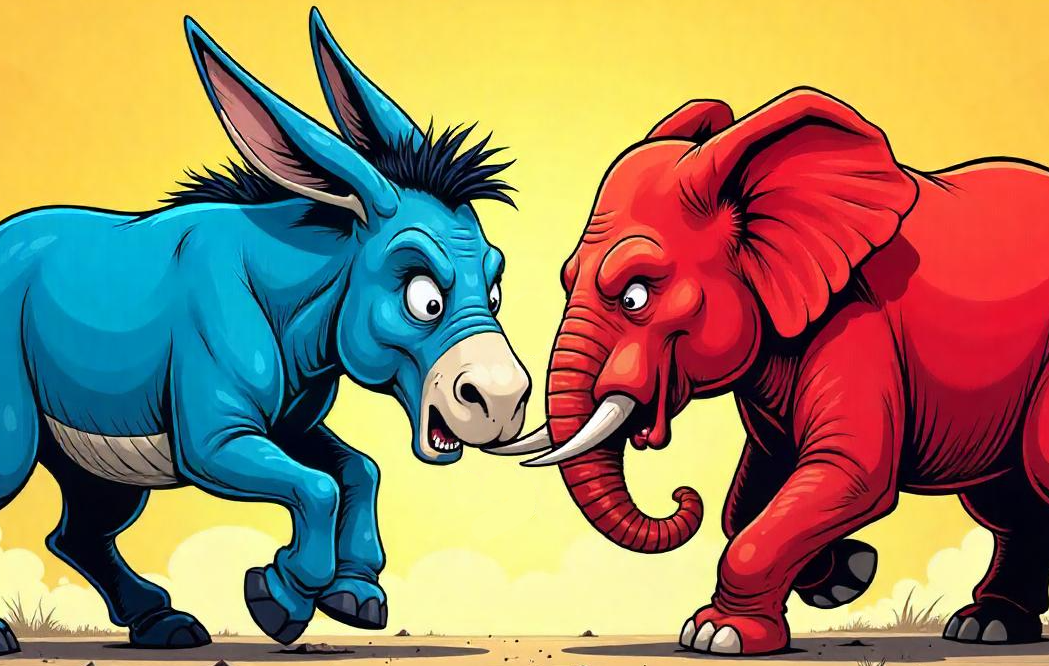
National elections promise to give every American a voice in choosing the president. In practice, they do the opposite. Concentrated interests undermine the will of the people and pursue agendas against the public good. The electorate is kept divided while oligarchs exploit the system and would-be tyrants destabilize the country with populist rhetoric. Three forces sit at the base of this dysfunction: parties, money, and the media.
Political Parties
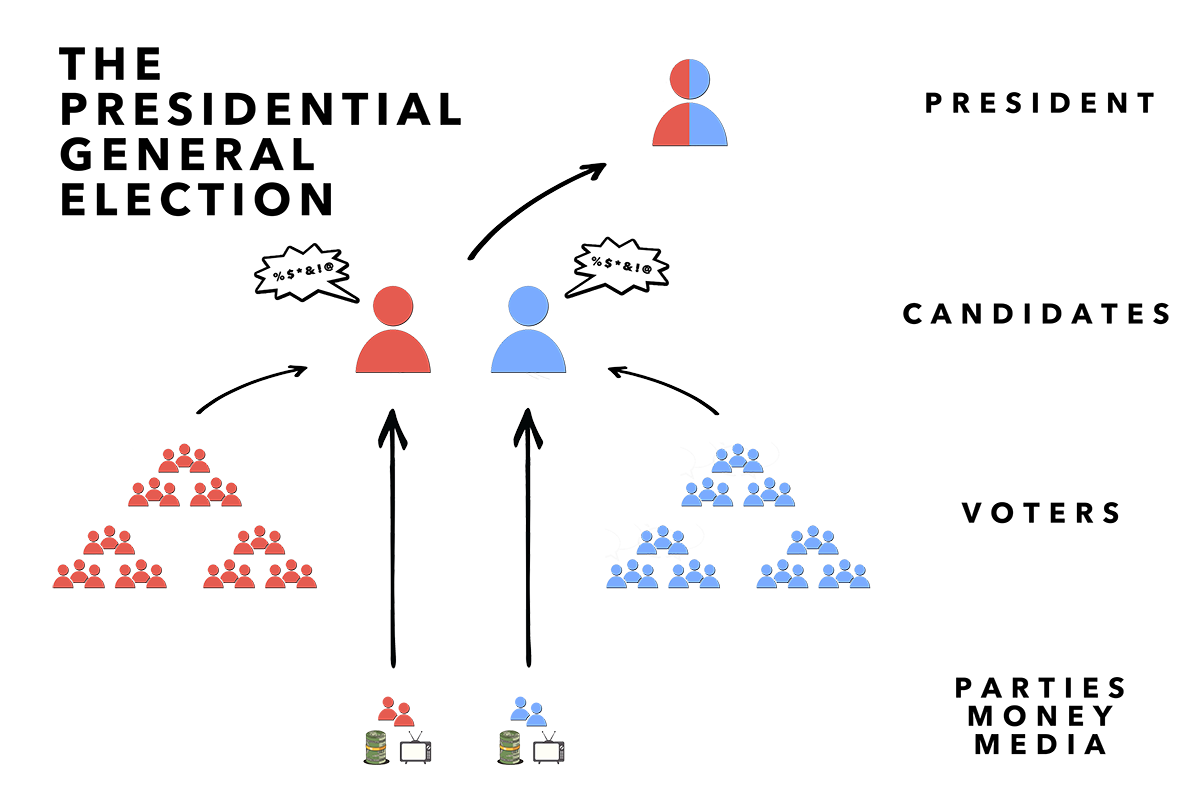
The two-party system does not give voters a real choice. In the nominating primaries, very few voters turn out, and a party's nominee is often effectively decided after only a handful of contests. The voters who do show up tend to be more ideologically extreme, which pulls the nominees toward the extremes with them. By the time the parties present their nominees to the general electorate, the menu has been reduced to two options — neither of which most voters had any hand in selecting. That is not a choice so much as a ratification.
Money in Politics
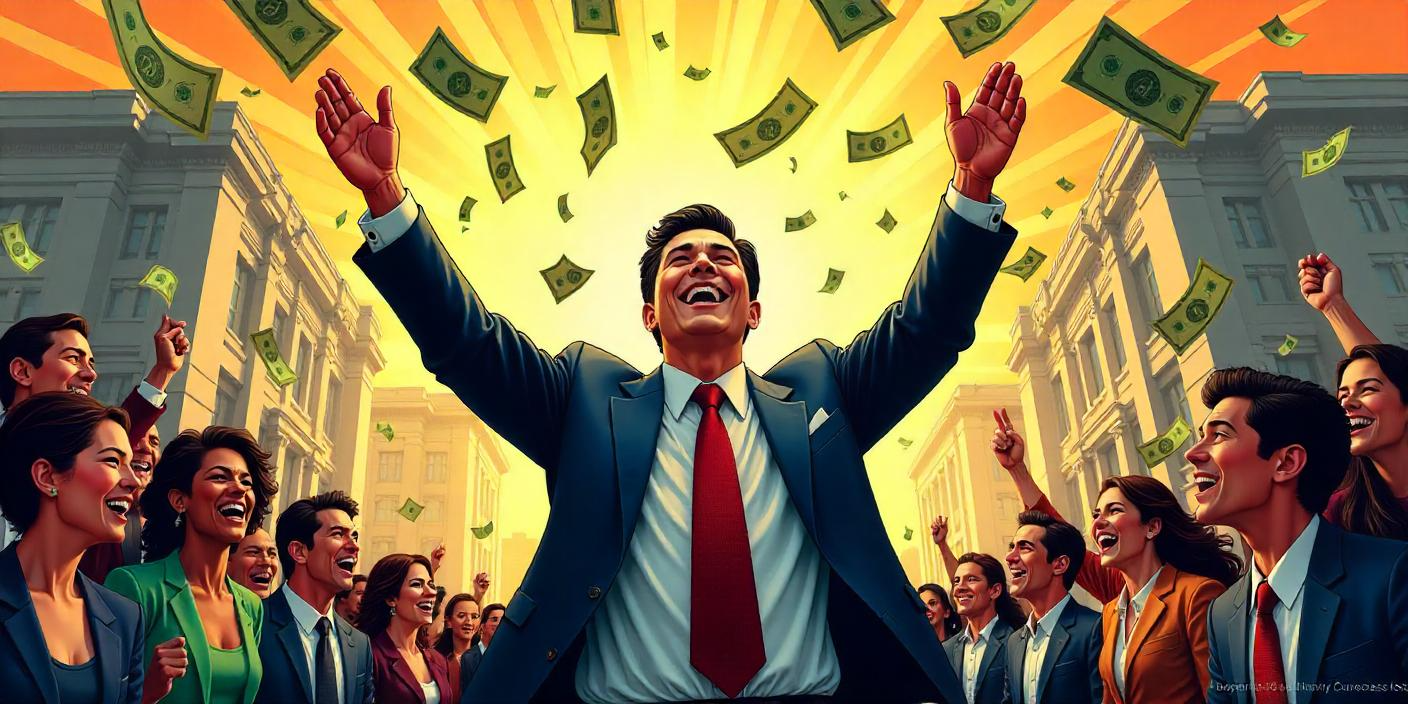
The sheer amount of money in politics delegitimizes the electoral process. Over $1.8 billion was raised in the 2024 presidential election, and more than $15.9 billion was spent across all federal elections that cycle.
That outsized role of money undermines the democratic principle of equal representation. Wealthy donors and special-interest groups gain disproportionate access to candidates and policymakers, which produces policies that favor the few over the many and erodes public trust in government. Worse, the perpetual need to raise money distracts elected officials from actually governing — entrenching inequality and prioritizing monetary interests over the public good.
Figures via opensecrets.org.
A Destructive Media
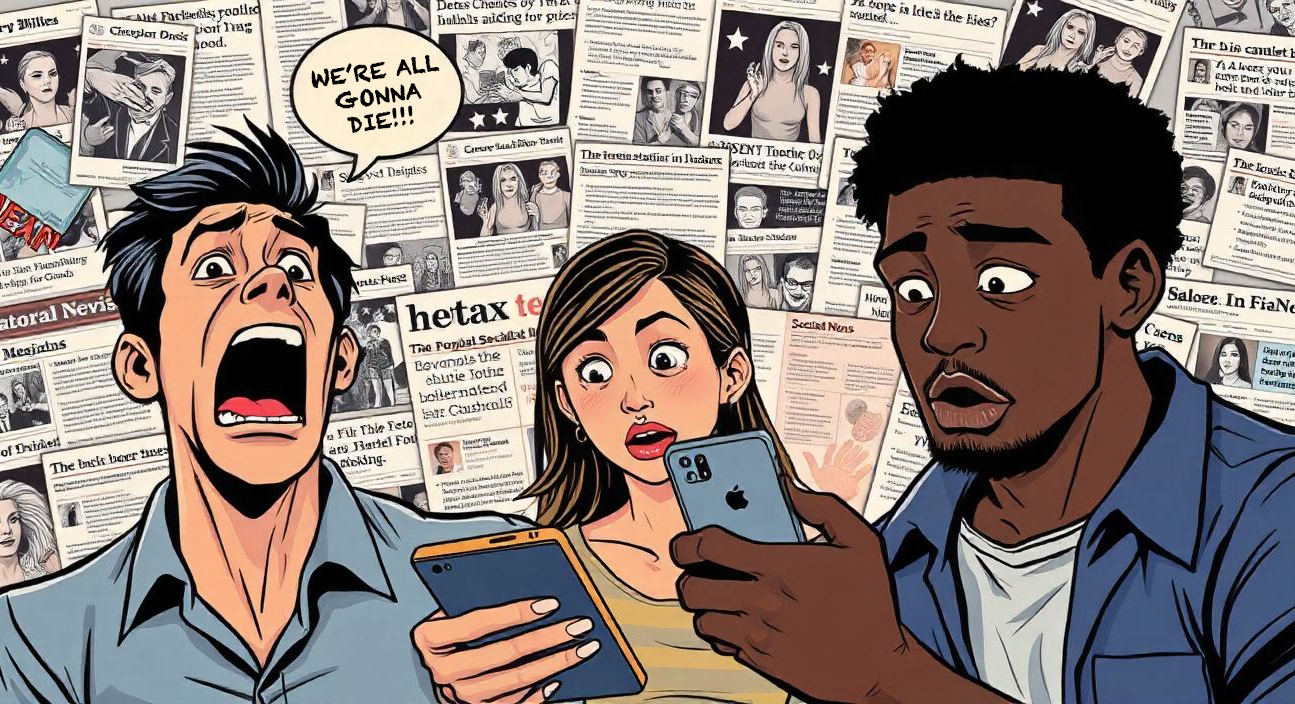
The media may play the most destructive role of all. Outlets compete for ratings by playing on fear. Channels pick ideological sides, promoting their preferred candidate and demonizing the opposition. Coverage rarely engages the substance of the public good; it fixates instead on the horse race between the candidates.
Social media has become a cesspool of misinformation and conspiracy. All too often, no one can identify the source of a disinformation campaign — whether it is a foreign intelligence operation or simply a disturbed individual. The result is an electorate that is more frightened, more divided, and less capable of deliberation than ever before.
The Framers Were Right to Be Afraid
National elections concentrate the political power of an entire country into the hands of two people — and money and the media exert an oversized influence over those two people. The framers feared national elections for exactly this reason, and so should we. The remedy is not a better national campaign but a smaller one: decentralize the choice of the president, remove the premium on money, and dilute the leverage of the media, and you restore the deliberation a national contest makes impossible.